
The Coin Striking Standards
Synopsis
For over 1,100 years, the Royal Mint has been striking coins, making it one of Britain’s oldest institutions. As a producer of coinage for many British Monarchs, we thought it would be useful to explain the many striking standards that exist and how this can impact their price and value.
Some are more desired by investors, while others are important for collectors. Here we break-down the differences and what it might mean for you.

Coin Striking Standards Explained
Not all coins are created equal. From the sharp, mirror-like finish of a proof coin to the standard bullion finish, the way a coin is struck plays a major role in its appearance, value, and appeal. Whether you're a seasoned investor or a curious collector, understanding the different striking standards can help you make more informed decisions.
Coins are struck to different standards and these can include:
- Proof
- Brilliant Uncirculated
- Bullion
- Piedfort
Here, we break down the differences and what they might mean for you. You may have heard of some or all of these terms and, in some cases, may not be entirely certain what they mean. Our guide is designed to help you navigate the striking standards that exist and give you an idea of why they are valued differently.
Gold Proof
These are considered some of the finest coins produced by The Royal Mint and are made with extreme precision and care.
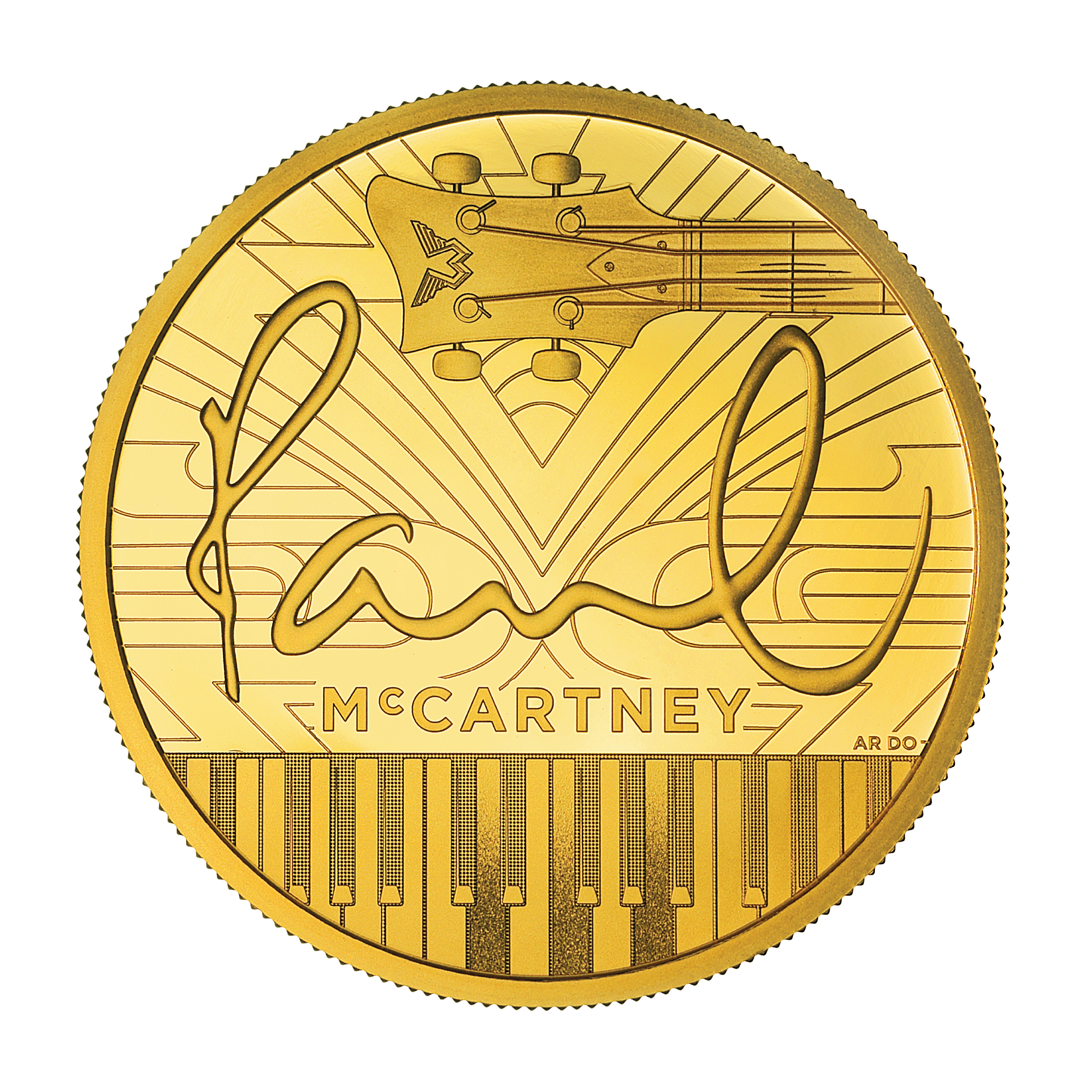
There is a sharp level of detail to the coins, resulting in an exceptionally high-quality finish. Produced using carefully prepared dies, some proof coins are even hand-finished, and additional care is taken during the striking process to ensure the finish is as close to perfect as possible.
Proof coins are struck multiple times under high pressure, resulting in a beautiful coin with crisply defined detail. As they are not intended for circulation, they tend to be enjoyed by collectors and investors seeking something special.
Silver Proof
Silver proof, like gold proof, is struck to a very high standard. Again made with extreme care, a silver proof tends to have sharp detail and is as close to perfect as possible.

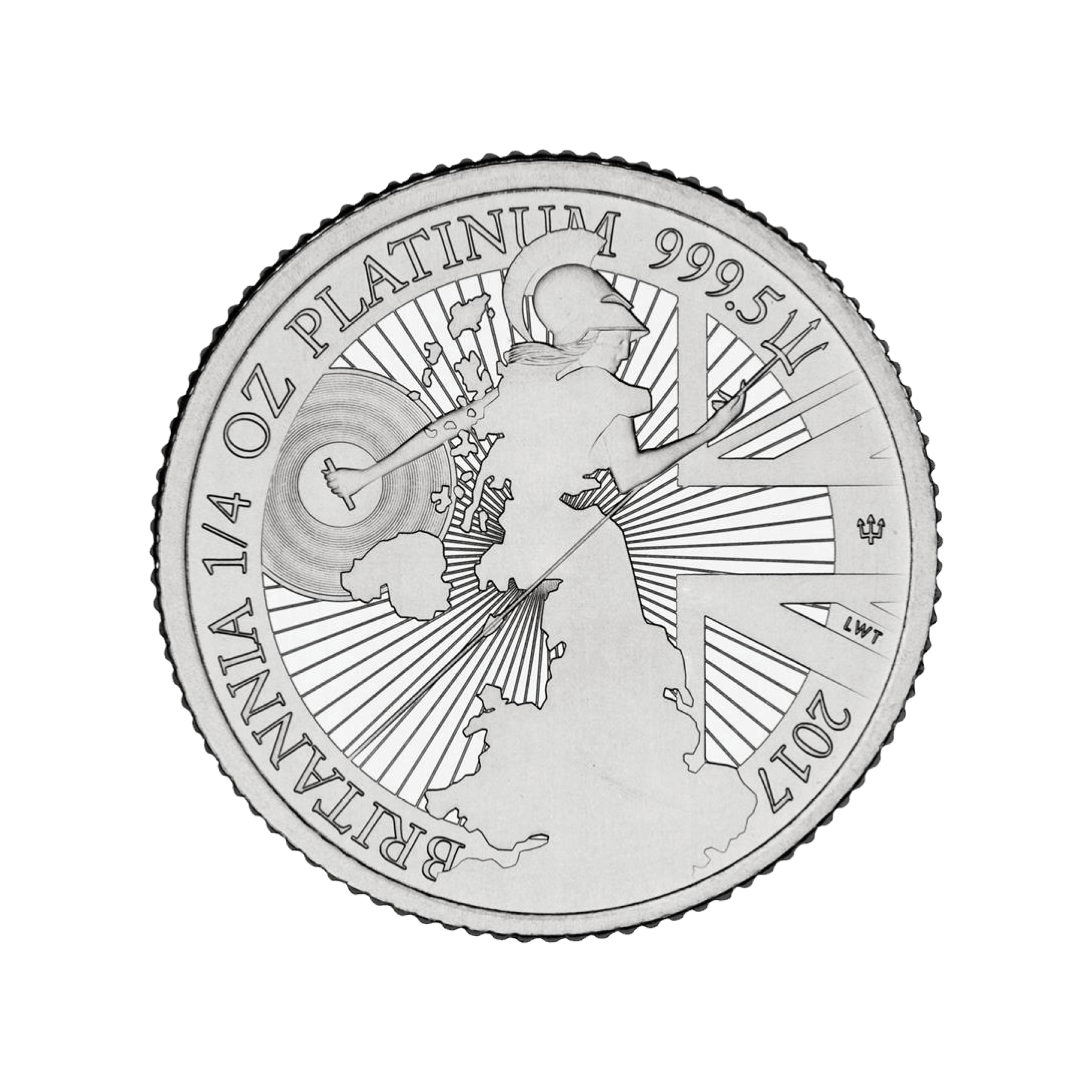
Platinum Proof
Platinum appears to be growing in popularity and as a proof, like it’s gold and silver counterparts, it is again struck to a very high finish.
Brilliant Uncirculated
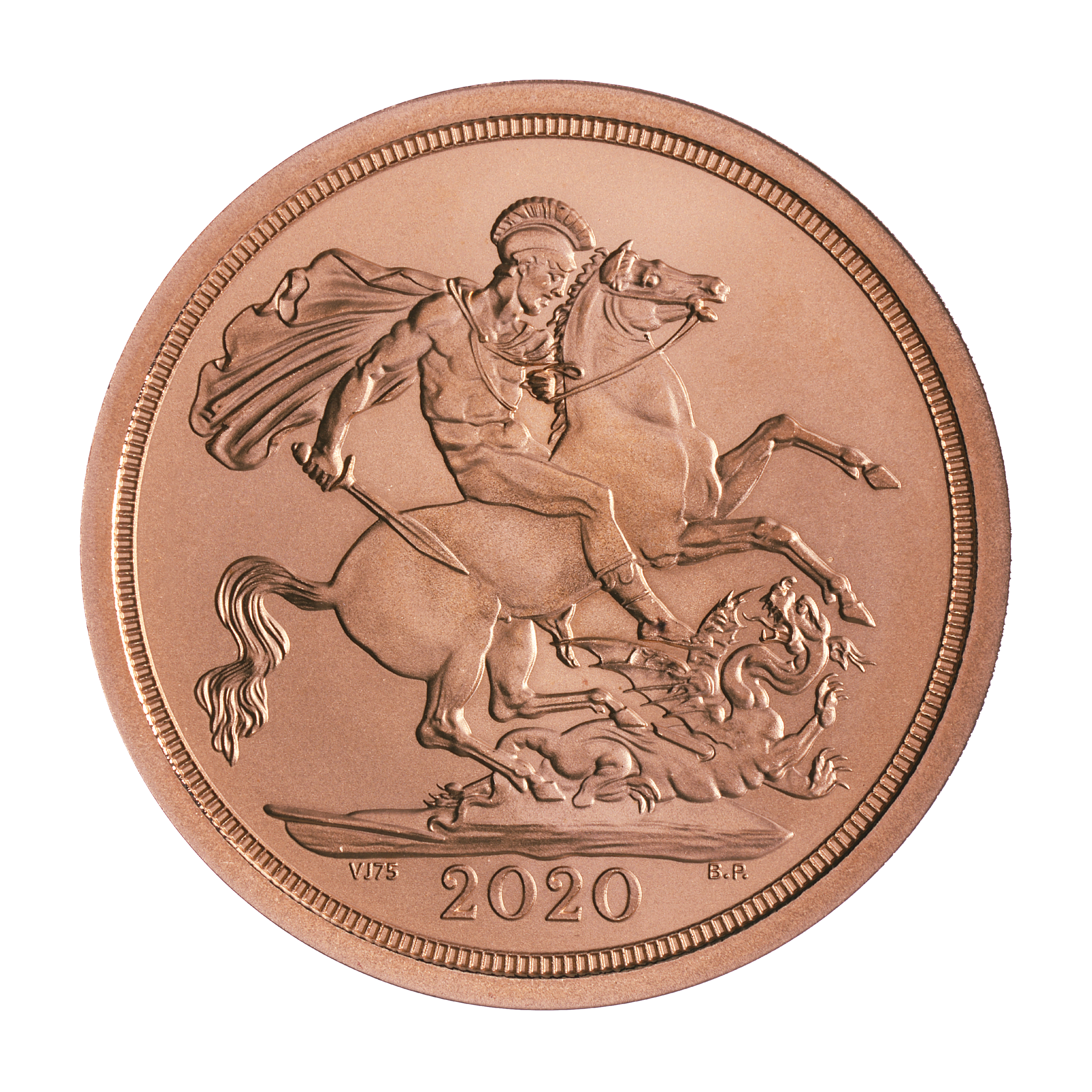
These tend to be coins intended for entry-level collectors.
Bullion
Bullion refers to gold, silver, or platinum that has been refined to a very high standard in terms of weight and purity.
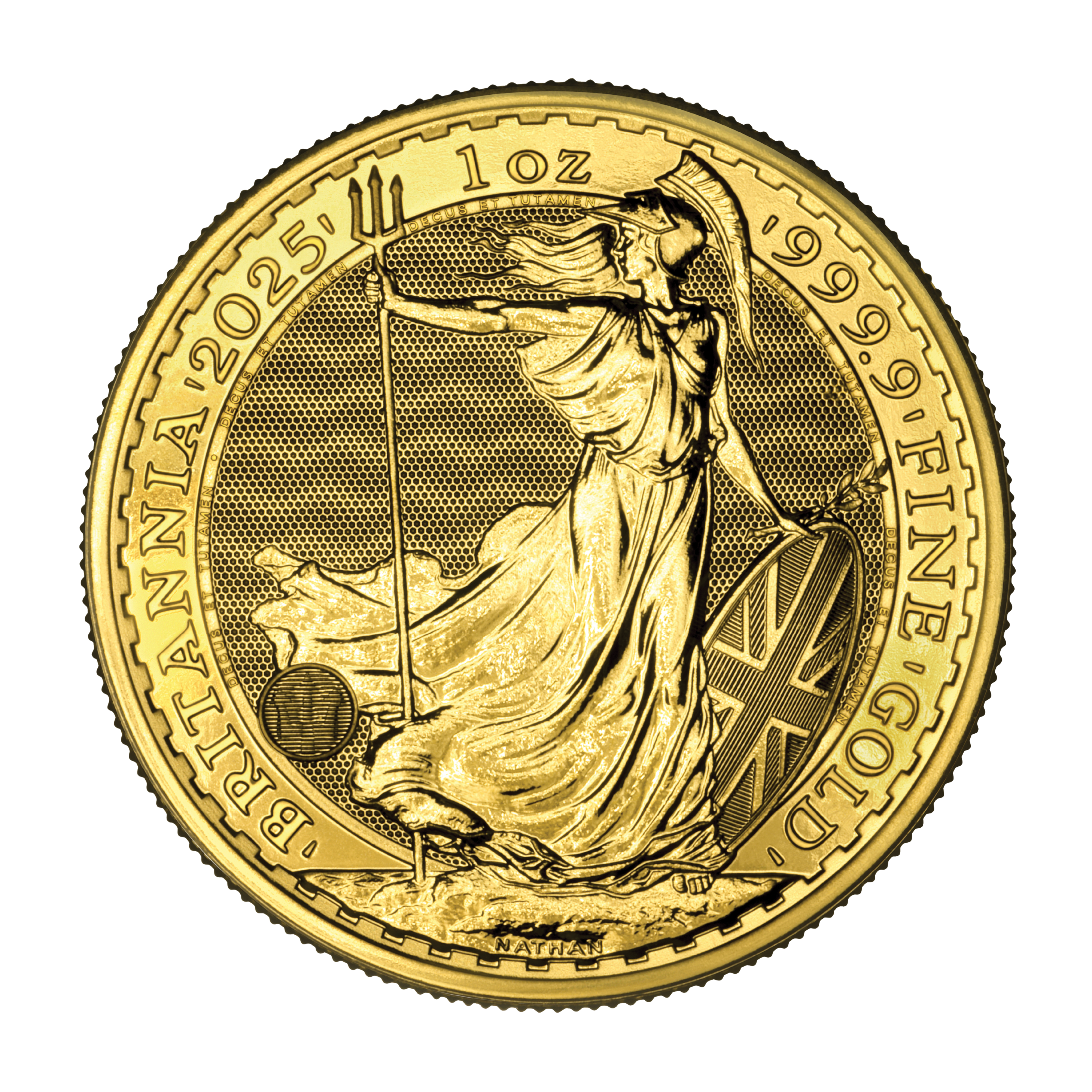
This tends to be the best option for investors. For example, Britannia and Sovereign coins fall into the bullion category, as do gold bars and ingots. The value is based on purity and metal content rather than form, so while the quality can be good, the finish will not be as crisp as a proof.
This is why, for investors who simply want to protect wealth, bullion makes a great choice. Bullion is available in gold, silver, platinum, and palladium. Central banks and governments may hold bullion as part of their reserves, and the gold content within that bullion tends to be either 24-carat or 22-carat.
Piedfort
These beautiful pieces are double the thickness and weight of their counterparts and tend to have a higher intrinsic value than proof equivalents.
The term ‘piedfort’ originates from the French for ‘pied’ (foot) and ‘fort’ (strong/heavy), which literally translates to ‘heavy foot’. These coins are not intended for general circulation and are often produced for presentation purposes, making them popular with collectors. The thickness and weight of piedfort coins are achieved using a much thicker blank during the striking process.
Historically, the piedfort coin has a long tradition, with some suggesting it originated in France during the 12th century. These coins tend to have higher values for collectors, as they are often produced in smaller numbers and, with such high-quality craftsmanship, can carry significant numismatic value.
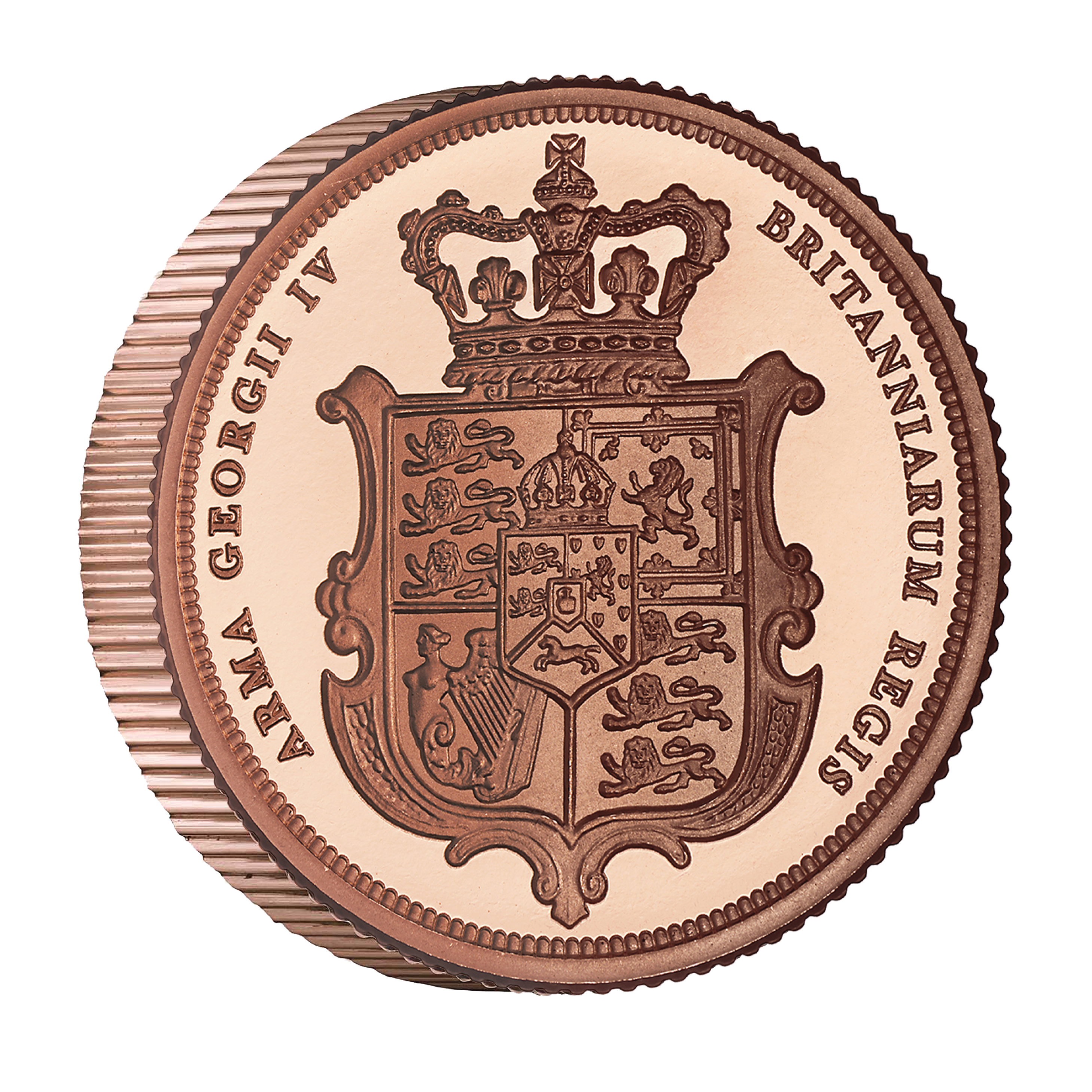
Grade C - A Chards Grade
On occasions we may receive in stock coins which may not be up to what we would consider "bullion standard".
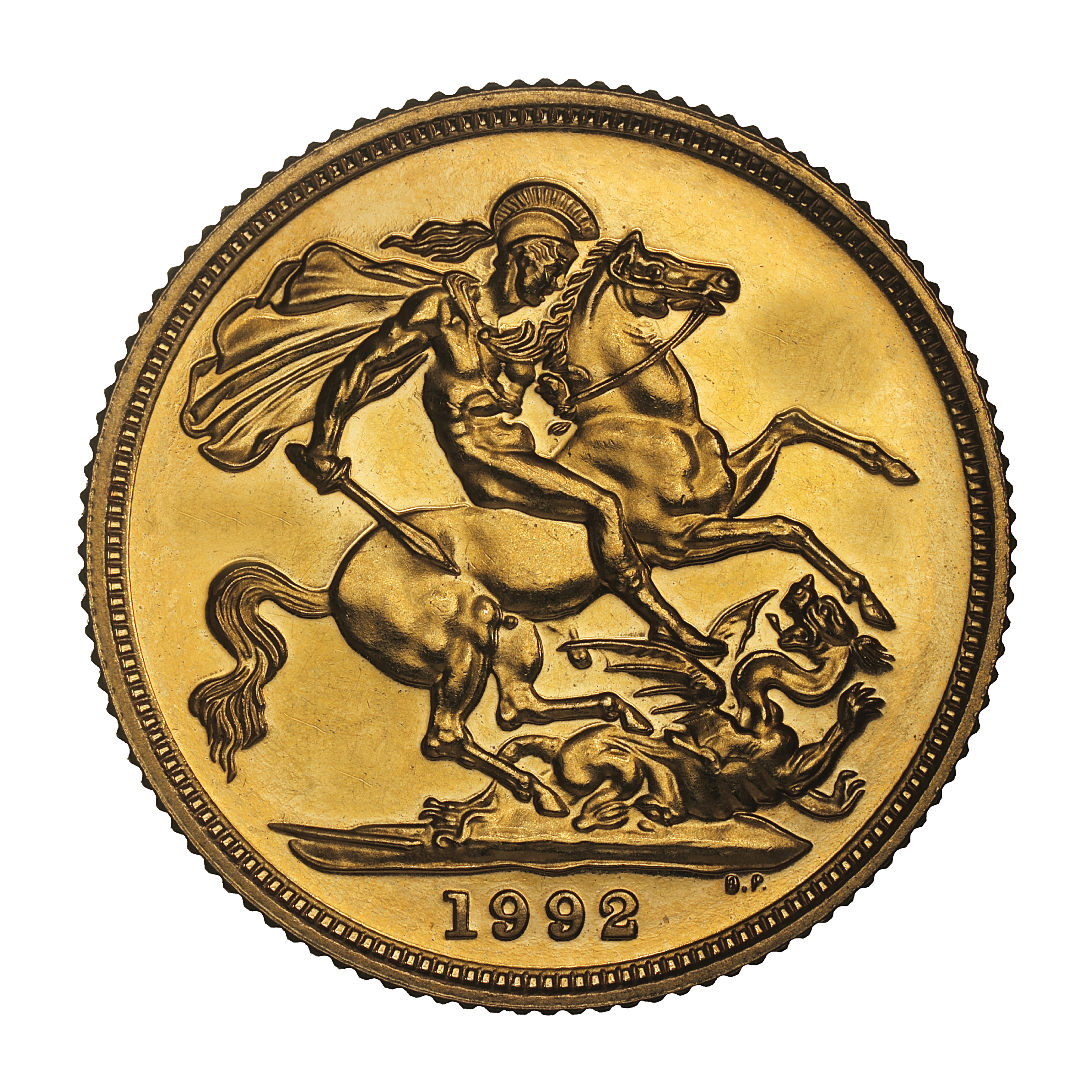
We only offer this product when available. We think they are too good to scrap, especially if the coins or bars are minted with nice and unusual designs. For this reason, we sell them as Grade C rather than bullion. We chose the “C” grade to clarify just how far from “bullion condition” they may be. You can also read our dedicated Grade C Guide, which explains how we classify coins under this grade.
Related Articles


This guide and its content is copyright of Chard (1964) Ltd - © Chard (1964) Ltd 2026. All rights reserved. Any redistribution or reproduction of part or all of the contents in any form is prohibited.
We are not financial advisers and we would always recommend that you consult with one prior to making any investment decision.
You can read more about copyright or our advice disclaimer on these links.