
What is Bullion?
Synopsis
When entering the world of precious metals, it can be quite overwhelming to make your first purchase decision. Qualities of bullion, proof, near-proof? Different fineness grades? Even graded items themselves!
If you're looking solely for investment options, you'll find bullion front and centre of your search, but why? And what exactly is bullion?
Before leaving this page you won't only understand what bullion is. You will also know the types of bullion, where bullion comes from, and how to store your bullion.

Why You Should Know What Bullion Means?
Bullion refers to precious metals like gold and silver, valued primarily for their weight and purity. It’s typically bought as coins or bars and traded close to its intrinsic metal value. Bullion is a popular investment for those seeking a hedge against inflation, though it comes with risks such as price volatility and storage costs. Always buy from reputable dealers and understand the market before investing.
The 'Official' Definition
Bullion refers to precious metals such as gold or silver, typically in the form of bars or coins, and is commonly traded as a commodity or investment.
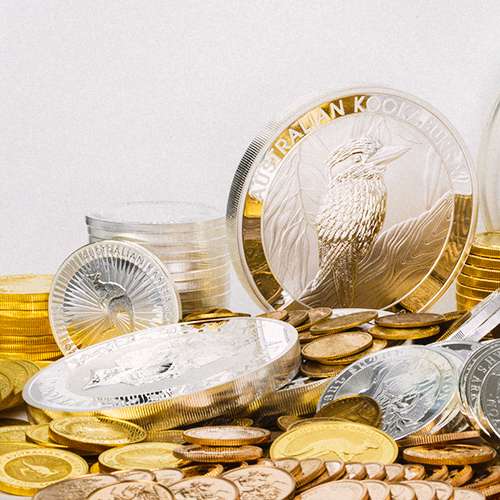
Defining Bullion
Now for a more advanced explanation! Bullion is a term used to describe precious metals such as gold and silver which are bought and sold at or close to the value of its metal content (intrinsic value). Bullion can be bought and sold as both coins and bars. Investing in bullion, as opposed to buying coins for their numismatic interest or their collectible value.
Understanding the definition of bullion, its types, and how it is traded is essential for anyone interested in investing in precious metals. The most common types of bullion are gold, silver, platinum, and palladium, but other metals can also be considered bullion. It is a term that tends to be reserved for gold and silver that is at least 99.5% and 99.9% pure.
There are differing definitions of bullion, and some are listed below:
Oxford English Dictionary
Gold or silver in large amounts or in the form of bars.
Wikipedia
Bullion is non-ferrous metal that has been refined to a high standard of elemental purity. The term is ordinarily applied to bulk metal used in the production of coins and especially to precious metals such as gold and silver. (source)
Investopedia
Bullion is gold and silver that is officially recognized as being at least 99.5% pure and is in the form of bars or ingots. To create bullion, gold first must be discovered by mining companies and removed from the earth in the form of gold ore, a combination of gold and mineralized rock. The gold is then extracted from the ore with the use of chemicals or extreme heat. The resulting pure bullion is also called "parted bullion." Bullion that contains more than one type of metal is called "unparted bullion." (source)
What is Gold Bullion?
Can you remember your first exposure to gold? Maybe through a jeweller's window, a movie spy's international escapades or a cartoon duck's vaulted swimming pool? Gold has had people enamoured the world over since it was first discovered, and it's nearly impossible avoid even in day-to-day life.
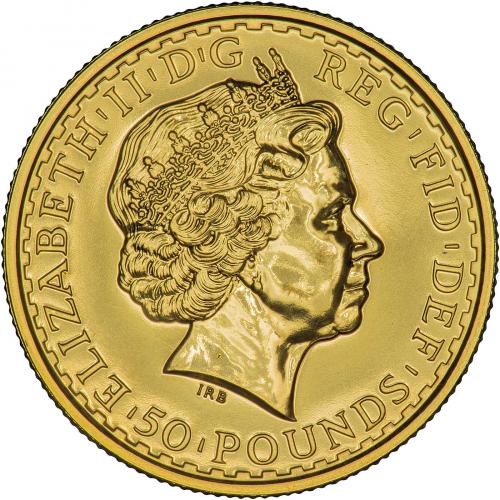
In simple terms, gold bullion is gold in its physical form (coins, bars, ingots), valued by its weight and purity.
What are the minimum purities for Types of Gold Bullion?
Coins
Gold that is 18 carats or lower does not meet HMRC’s standard for Investment Gold. The minimum accepted fineness is 0.900, which is equivalent to 21.6 carats
Bars
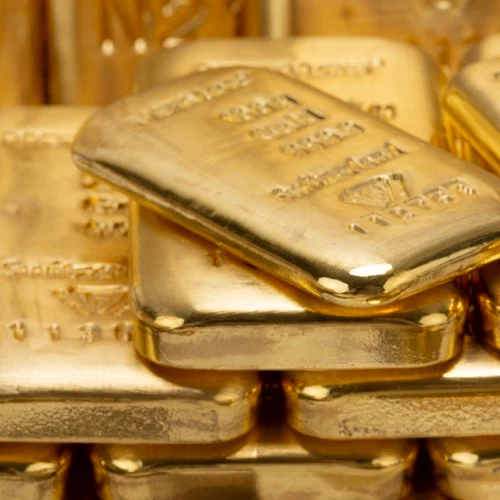
The minimum purity for a gold bullion bar, to be recognised as investment-grade, is 995 parts per thousand (99.5%).
Who Sets The Standards for Good Delivery Gold & Silver Bars?
The London Bullion Market Association (LBMA) sets the Good Delivery Benchmark for the quality of gold and silver bars through its Good Delivery List, ensuring they meet stringent purity and weight requirements. This not only standardises what qualifies as investment-grade bullion but also underpins the seamless functioning of global wholesale markets.
The Origin of the Word Bullion
The origin of the word bullion comes from the French word "bouillon," which means "boiling." Historically, the term referred to the process of melting down metal to purify it and was a reference to the activity of a melting house. Today, the term bullion is used to describe bars or coins that are made of a specific weight and purity of precious metals. The value of bullion is determined by its weight, purity, and the current market price of the metal.
Where Does Bullion Come From?
Before it can become bullion, gold and silver must first be located and then removed from the ground by mining companies. Once extracted in the form of ore (a mixture of metal and rock), the gold or silver must then be "parted" from the rock. This is achieved through the use of chemicals or extreme heat. After the pure metal is removed from the rock, the resulting pure bullion is also called "parted bullion."
The Process of Gold Before Bullion
Gold deposition occurs when specific geologic conditions are met. These conditions include the presence of hot fluids, which are often enriched with gold and other minerals. The fluids move through the rock, creating cracks and veins where the gold is deposited. Some of the most common host rocks for gold deposition include shale, sandstone, and granite.
Gold ore is then mined through techniques like tunnel excavation, shafts, or open pits, followed by an intricate extraction process involving activities such as blasting, digging, and processing. Chemicals like cyanide may be used to dissolve the gold and separate it from other minerals in the ore during the crushing and processing stage.
Advantages and Disadvantages of Investing in Bullion
Investing in bullion has its advantages and disadvantages. One of the main advantages of investing in bullion is that it can act as a hedge against inflation. As the value of currency decreases, the value of precious metals tends to increase. Investing in bullion also has the potential for appreciation, as the price of precious metals can increase over time. Bullion is also a liquid asset, which means that it can be easily bought and sold. There are numerous reasons to buy gold, many of which we cover elsewhere in our Why Buy Gold? section.
However, there are also disadvantages. For instance, bullion can be volatile; the price can fluctuate greatly. Storage and insurance costs can also be substantial as bullion is a tangible asset that must be stored and protected, although dealers like ourselves offer some extremely competitive storage rates to minimise this disadvantage. Additionally, bullion does not generate cash flow, unlike stocks or bonds.
The Quality of Bullion
As previously mentioned, bullion is the precious metal in it's purest form, bought and sold per the actual metal weight (AMW) of the product. The variations of bullion e.g. coins and bars, are simply different vehicles of investment into the metal itself, with coin bullion often incorporating historic designs and security features.
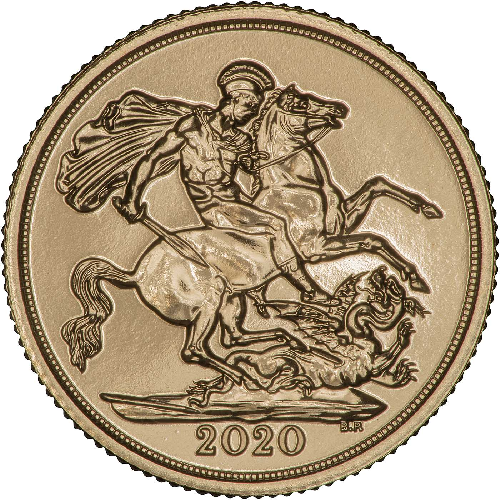
When referring to coin bullion, the 'quality' of bullion can be considered the 'standard' release of that design, usually produced from a single strike during the minting process, as opposed to commemorative variants such as proof and brilliant uncirculated (BU) which can have multiple strikes to ensure absolute definition, as well as differences in finishes (frosted, matte, polished).
If you are interested in finding out more about coin quality and finishes, our guide gives thorough explanation of each, using Sovereigns as the example design.
Store of Value and Portability
One of the most significant advantages of investing in bullion is its ability to act as a store of value. Bullion has been used as a store of value for millennia, and its value has been relatively stable over time. This makes it an excellent option for those looking to preserve their wealth over the long-term. Additionally, bullion is not generally subject to the same level of volatility as other investments, such as stocks or real estate.
Another important advantage of investing in bullion is its portability. Bullion can be easily transported and stored, making it an ideal option for those looking to safeguard their assets in case of unforeseen circumstances or unexpected events. Additionally, bullion can be easily converted into cash, which can be useful in times of financial hardship.
Where Can You Store Bullion?
We offer storage services in the United Kingdom and overseas that are low cost and fully insured. This service offers customers an allocated and segregated metal account with discrete, allocated coins and bars. Customers can choose our dedicated world class storage facilities right here in Blackpool or store bullion overseas in bonded warehouses. For added peace of mind, customer stock held at our storage facilities has been independently checked.
Where Is the Rest of The Bullion?
Large reserves of gold are typically kept in various locations including world banks, and is a form of currency that is a hedge against inflation. One of the most renowned locations for holding gold reserves is Fort Knox, a military base in the state of Kentucky, United States. As of 31 July 2020, it housed around 147.3 million ounces. However, as per the US Mint's report in January 2023, the quantity had increased to over 248+ million troy ounces of gold. In contrast, the Bank of England possesses over 400,000 gold bars, valued at over £200 billion pounds, making it a substantial reserve of wealth.
Final Thoughts
In conclusion, bullion is a valuable asset that can be an excellent option for those looking to preserve their wealth over the long-term. However, it is important to understand the definition of bullion, its types, and how it is traded before making any investment decisions.
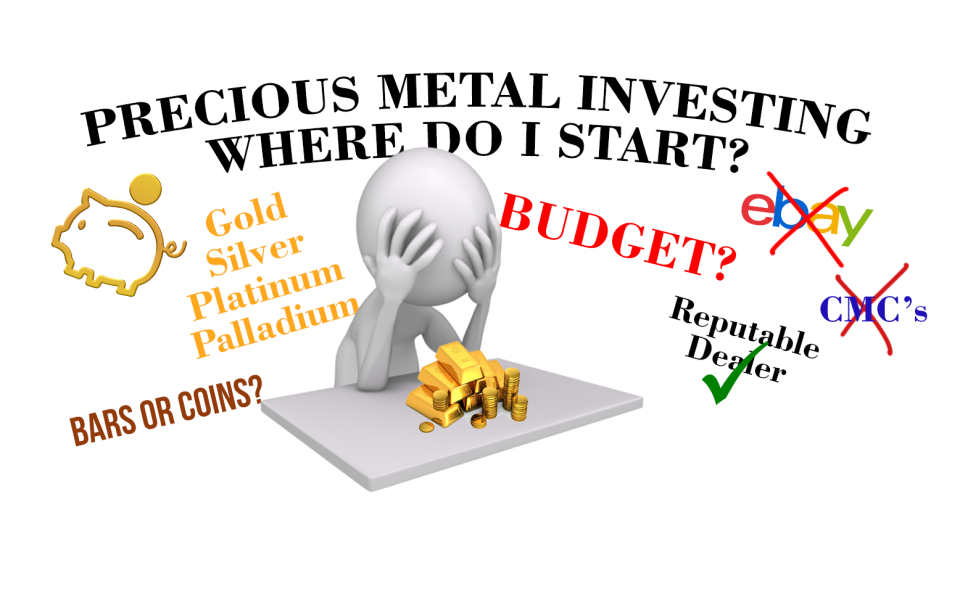
Additionally, it is important to purchase bullion from reputable dealers, and to make sure that the bullion is authentic and of the stated weight and fineness. It's crucial to consult with a financial advisor and thoroughly research the market before making any investments.
Remember, investing in bullion is a long-term strategy and it's important to be patient and not to be swayed by short-term market fluctuations.
Related Blog Articles












This guide and its content is copyright of Chard (1964) Ltd - © Chard (1964) Ltd 2026. All rights reserved. Any redistribution or reproduction of part or all of the contents in any form is prohibited.
We are not financial advisers and we would always recommend that you consult with one prior to making any investment decision.
You can read more about copyright or our advice disclaimer on these links.